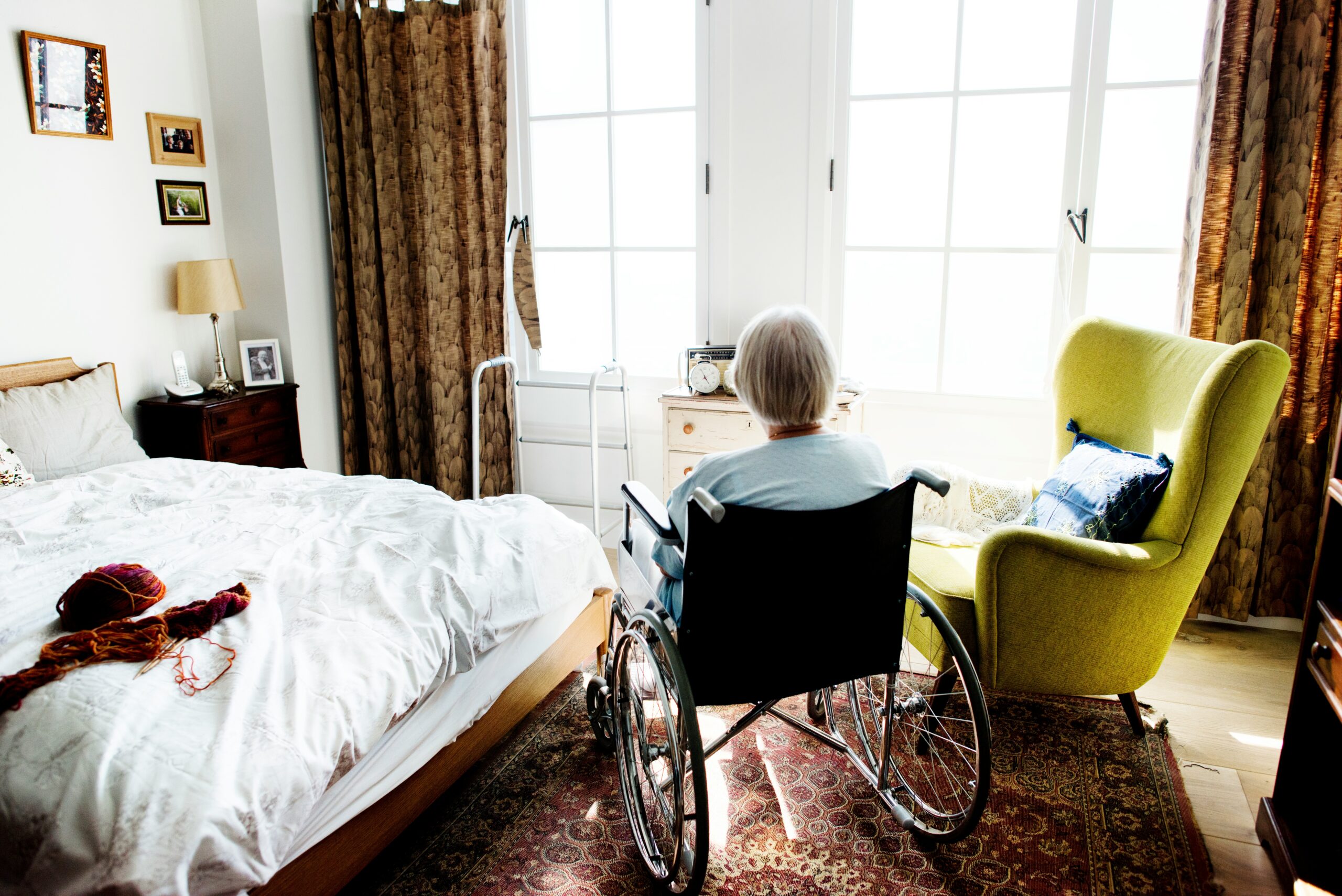
Designing senior living environments has become far more complex than simply providing housing for older adults. As demographics shift, expectations rise, and lifestyles change, today’s senior living spaces need to offer comfort, accessibility, and connection—while anticipating what tomorrow’s residents will want. According to industry thought leaders like Steve Wolfe, the most successful communities are those that evolve with the market rather than react to it. This forward-thinking approach is reshaping how senior living spaces are planned, designed, and experienced.
Understanding the New Senior Living Consumer
Today’s seniors are more active, independent, and discerning than previous generations. They are looking for spaces that match their lifestyles, not facilities that remind them of traditional care settings. Unlike past decades, many older adults now expect modern amenities, personalized comfort, and environments that balance independence with support. Steve Wolfe emphasizes that designers must consider physical, emotional, and social needs to create spaces that genuinely enhance quality of life.
This shift in expectations means that senior living communities must feel less like institutions and more like thoughtfully crafted residences. Warmth, personality, and familiarity are becoming essential design elements. At the same time, flexibility has become a critical component because residents want the freedom to adapt their spaces without relocating as their needs change.
The Importance of Comfort and Accessibility
Comfort and accessibility lay the foundation for successful senior living design. Yet today’s standards go beyond basic grab bars and wide hallways. Modern spaces focus on creating seamless environments where safety features blend with style, making them feel natural rather than clinical. Soft textures, ample lighting, intuitive layouts, and multi-functional rooms help create a sense of security without sacrificing aesthetics.
Steve Wolfe points out that accessibility is no longer considered an optional feature—it is now an expectation. Designers are adopting universal design principles that accommodate people of varying mobility levels while still maintaining a sense of sophistication. This includes smoother transitions between indoor and outdoor spaces, thoughtful placement of amenities, and layouts that support easy navigation. These improvements not only enhance comfort but also promote independence, allowing residents to feel more confident in their daily routines.
Integrating Technology with Human-Centered Design
Technology has become one of the most influential forces shaping modern senior living spaces. However, successful adoption requires a delicate balance—technology should simplify life, not complicate it. Smart home features, remote health monitoring, digital communication tools, and voice-activated systems are becoming increasingly common. They support safety and convenience, giving residents and families peace of mind.
Still, Steve Wolfe highlights that technology alone cannot create a fulfilling living experience. Human-centered design ensures that technology enhances personal interaction rather than replacing it. For example, discreetly integrating tech solutions into the environment can provide support without feeling intrusive. The goal is to enable residents to remain connected—both to people and to the world—while maintaining control over their own environment.
Creating Spaces That Foster Community and Wellness
A key shift in the senior living industry is the focus on holistic wellness. Health today extends beyond medical care; it includes mental, emotional, and social well-being. Designing spaces that encourage community interaction and personal enrichment has become a priority.
Warm, inviting common areas, accessible outdoor spaces, and multipurpose rooms create natural opportunities for residents to connect. The design encourages spontaneous conversations, organized activities, and moments of relaxation. Gardens, walking paths, and outdoor lounges offer fresh air and movement, which are vital to maintaining physical and emotional health.
Steve Wolfe often emphasizes that a sense of belonging is one of the most valuable elements in senior living. Spaces that foster connection help reduce loneliness and strengthen community bonds, which ultimately enhances overall quality of life.
Flexibility: Preparing for Future Growth and Change
Because senior living needs continue to evolve, adaptability is one of the most important aspects of modern design. Communities must be built with the future in mind, incorporating versatile layouts and features that can shift as residents age or as new technologies emerge. Rooms that can transform from independent living accommodations to more supportive care spaces help residents stay in the same community longer.
Sustainability also plays a role in future-proofing senior living spaces. Energy-efficient materials, natural lighting, and environmentally conscious building practices appeal to both current and future generations. They promote healthier living environments and reduce long-term operational costs, making sustainability a wise investment from both a business and community perspective.
Designing with Purpose and Compassion
Ultimately, designing senior living spaces to meet evolving market demands requires more than architectural expertise. It involves compassion, insight, and a deep understanding of the aging experience. Steve Wolfe’s approach reflects a commitment to creating environments that honor dignity, encourage independence, and celebrate the individuality of every resident.
Today’s senior living communities are no longer defined by limitations but by possibilities. Through thoughtful design, innovative solutions, and a human-centered mindset, the industry can continue to evolve in ways that enrich the lives of older adults. As the market continues to shift, the most successful spaces will be those built with intention—spaces that grow with their residents, support their well-being, and empower them to enjoy every chapter of life.
By designing with purpose and anticipating change, senior living communities can create environments that truly feel like home—today and for generations to come.